



Moroccan People
What Are Moroccan People Like: Culture, Traditions, and Hospitality
Traveling to Morocco is an experience that goes beyond discovering landscapes, historic cities, and endless deserts. One of the most remarkable aspects of this country is undoubtedly its people. Friendly, welcoming, and deeply connected to their traditions, Moroccans represent the true heart of the nation. Understanding how they are and their customs allows travelers to experience Morocco in a richer and more meaningful way.
In this article, we explore what Moroccan people are like, their values, how they treat tourists, and the main social traditions that define their identity.
Characteristics of Moroccan People
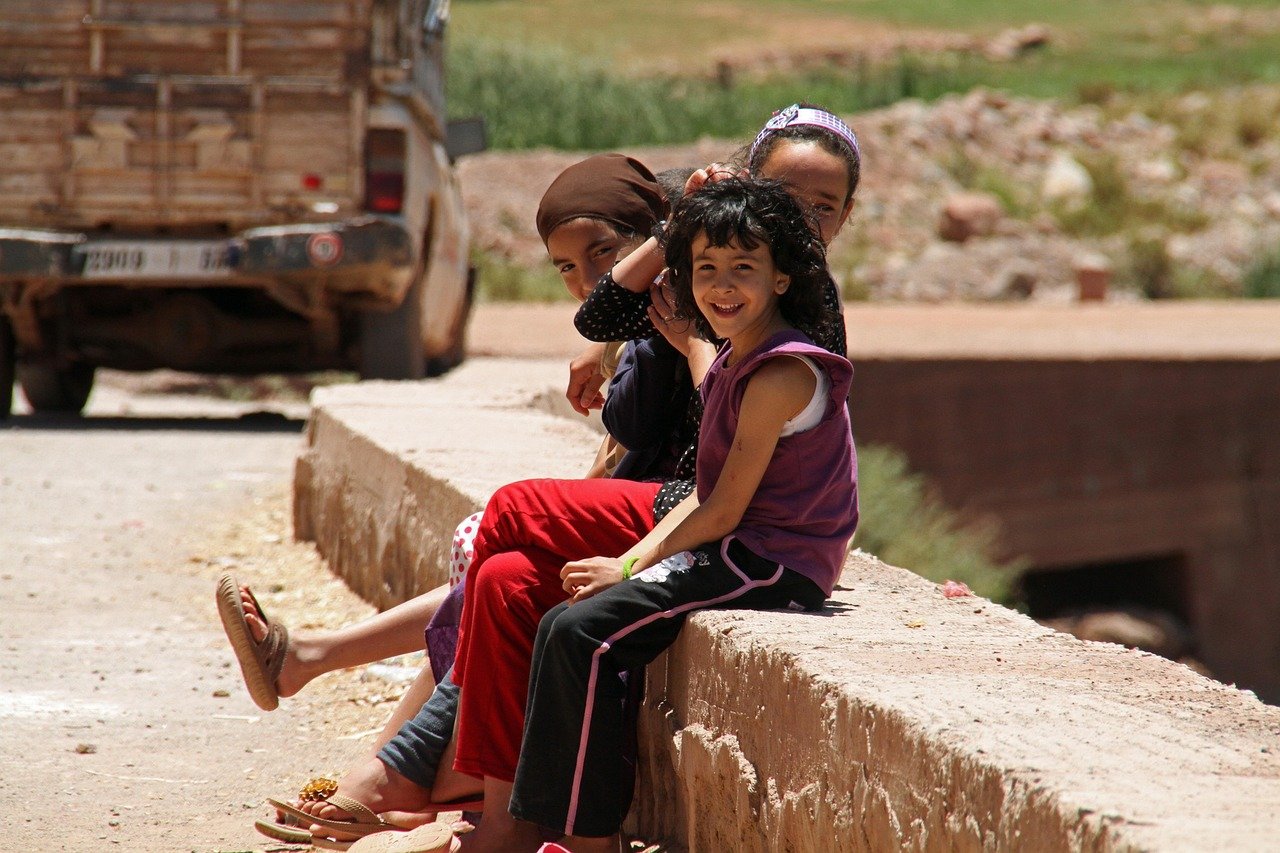
Although Morocco is a diverse country, certain traits commonly define its population. These characteristics may vary by region but generally give a clear picture of Moroccan life.
Hospitality and Welcoming Visitors
Hospitality is one of the most deeply rooted values in Moroccan society. Welcoming a guest is considered an honor and a duty, whether at home, in a shop, or during a casual encounter. Visitors are often invited to enjoy Moroccan mint tea, a symbol of friendliness and goodwill.
Sharing and generosity are virtues for Moroccans, who usually show a warm and approachable attitude toward travelers.
Community and Family-Oriented Life
Moroccan life strongly revolves around family and community. Family relationships are deep and close-knit, and ties between neighbors are often very strong. People frequently help each other, share meals, celebrate together, or provide support in times of need.
Community is especially important in villages and rural areas, where traditions are maintained with great respect.
Respect for Tradition and Religion
Morocco has a long history influenced by Berber, Arab, Islamic, and Andalusian cultures. Islam is the predominant religion and shapes many aspects of daily life, though generally with a perspective of respect and coexistence.
Traditions are passed down through generations and remain visible in celebrations, cuisine, art, and social behavior.
Cultural Diversity by Region
One of the most attractive aspects of Morocco is its cultural diversity. Several identities coexist:
Berbers (Amazigh): the indigenous people of North Africa.
Arabs: influencing language and traditions.
Saharawis in the southern regions.
Historical Moroccan Jewish communities.
Andalusian influence, especially in the north.
Each region has unique dialects, cuisine, lifestyles, and customs, enriching the country’s cultural tapestry.
How Moroccans Treat Tourists
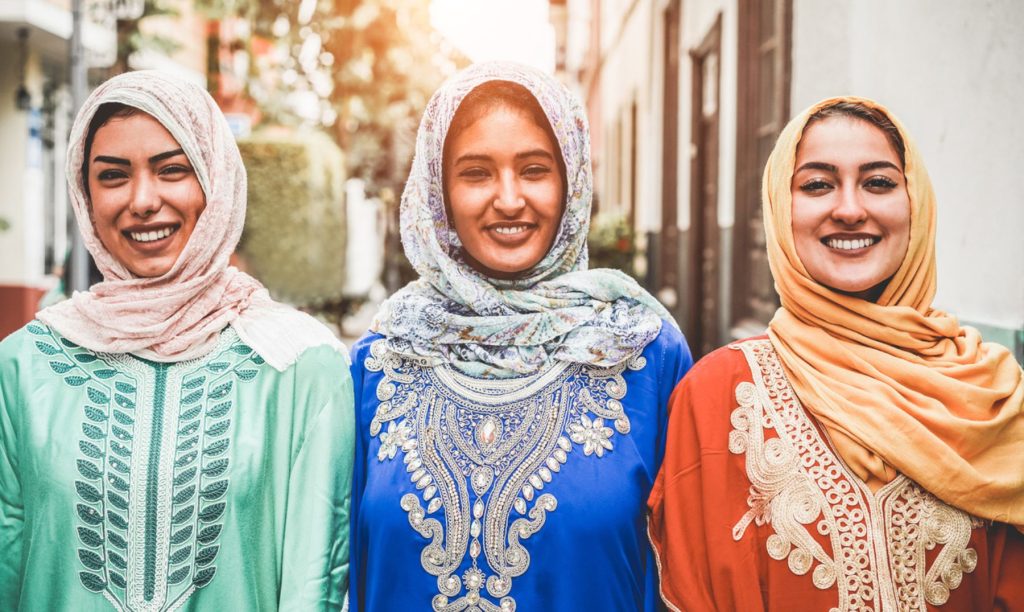
Travelers often highlight the friendliness with which Moroccans welcome visitors. Moreover, curiosity about other cultures blends with a genuine desire to make guests feel at home.
In the Cities
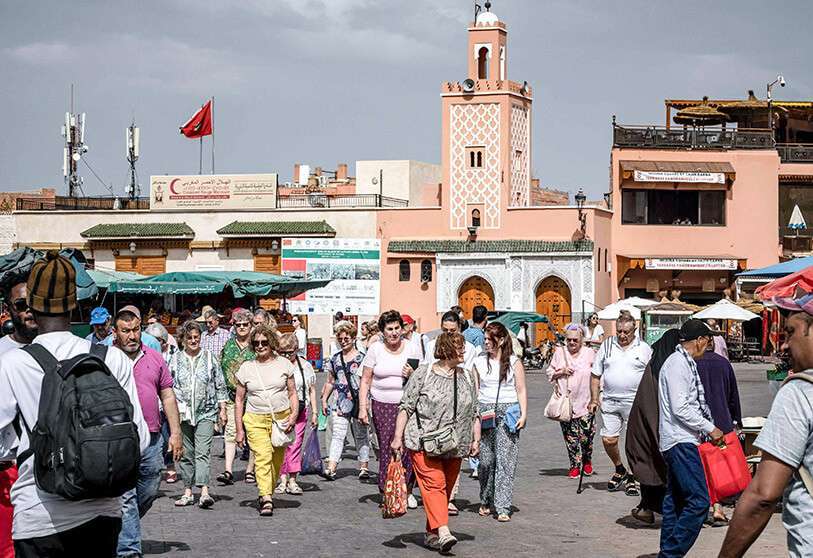
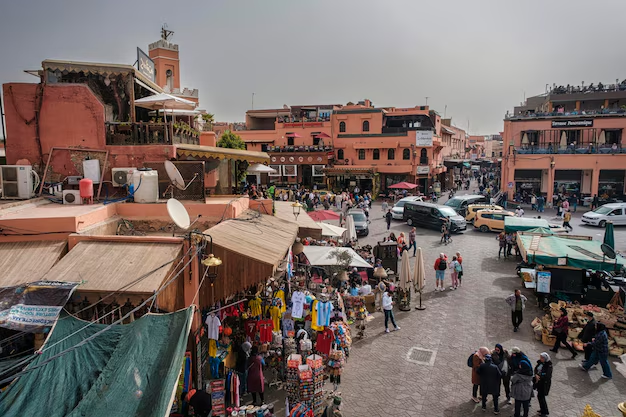
Tourist hubs like Marrakech, Fez, and Casablanca are full of people accustomed to interacting with travelers from around the world. For example, you’ll find locals eager to give directions, offer help, or engage in friendly conversation. At the same time, medinas and souks are lively spaces where shopkeepers may be persistent in attracting customers—but usually with respect and humor.
Exploring Villages and Desert Areas
Rural Morocco presents a different kind of warmth. In contrast, Berber villages or desert communities often show sincere generosity. As a result, visitors may be invited into homes to share food or tea, even without prior acquaintance.
Tips for Interacting with Locals
Always greet with a smile. Additionally, showing gratitude is highly appreciated.
Accepting tea is a gesture of respect, rather than a commercial obligation.
Moroccan Customs and Values
Moroccan culture is full of gestures and habits that reflect respect, generosity, and community spirit.
Mint Tea as a Symbol of Hospitality
Mint tea, known as the “Berber whisky,” is essential to daily life. Offering tea is a way to welcome guests and show goodwill. It may be served multiple times a day, at home, at work, or during unexpected visits. Refusing it without reason can be considered impolite.
Greetings and Social Etiquette
Common greetings include handshakes or, among close friends of the same gender, cheek kisses. Conversations often start with inquiries about family and well-being before moving to formal topics.
Courtesy and respect are highly valued in Moroccan society.
The Importance of Generosity
Generosity is a core virtue. Sharing meals, helping neighbors, and supporting those in need are everyday practices. Often, those who have little share what they can.
Cultural Differences Travelers Should Know
Being aware of these differences helps visitors enjoy Morocco with respect and understanding.
Dress and Behavior in Public Spaces
Morocco is generally traditional, especially outside large cities. Dressing modestly is recommended, avoiding overly revealing clothing in traditional neighborhoods, rural areas, or religious sites.
Time and Punctuality
The concept of punctuality may be more flexible than in other countries. Life is often experienced at a slower pace, especially outside of work environments. The phrase “Insha’Allah tomorrow” can mean “tomorrow” or simply “when possible.”
Recommended and Avoided Conversation Topics
Moroccans enjoy talking about family, cuisine, culture, and national history. Sensitive topics, like politics or religion, should be avoided, particularly with people you’ve just met.
Morocco: A Multicultural Country
Morocco’s cultural richness results from centuries of interaction between civilizations. Its population, descended from Amazigh, Arab, Saharawi, Jewish, and Andalusian roots, has created a unique and harmonious cultural mosaic. This diversity is reflected in language, cuisine, music, and local traditions.
Frequently Asked Questions About Moroccan People
Is it safe to interact with locals?
Yes. Moroccans are generally respectful and hospitable. Common sense should still be applied, especially in tourist areas, but interactions are usually safe.
Are Moroccans open to travelers?
Yes. They enjoy learning about other cultures and often show genuine interest in conversing with foreigners.
Is it common to be offered tea?
Yes. Offering tea is a traditional gesture of hospitality and politeness. Accepting it is a sign of respect.
Traveling to Morocco with Family: Safe and Fun Adventures
Conclusion
Moroccan people are essential to understanding the magic of the country. Their hospitality, respect for tradition, sense of community, and cultural diversity make any visit unforgettable. Understanding their customs allows travelers to experience Morocco with an open mind and a heart ready to receive a warm welcome.
